

PCOS and Fertility: How PCOS Affects Your Fertility
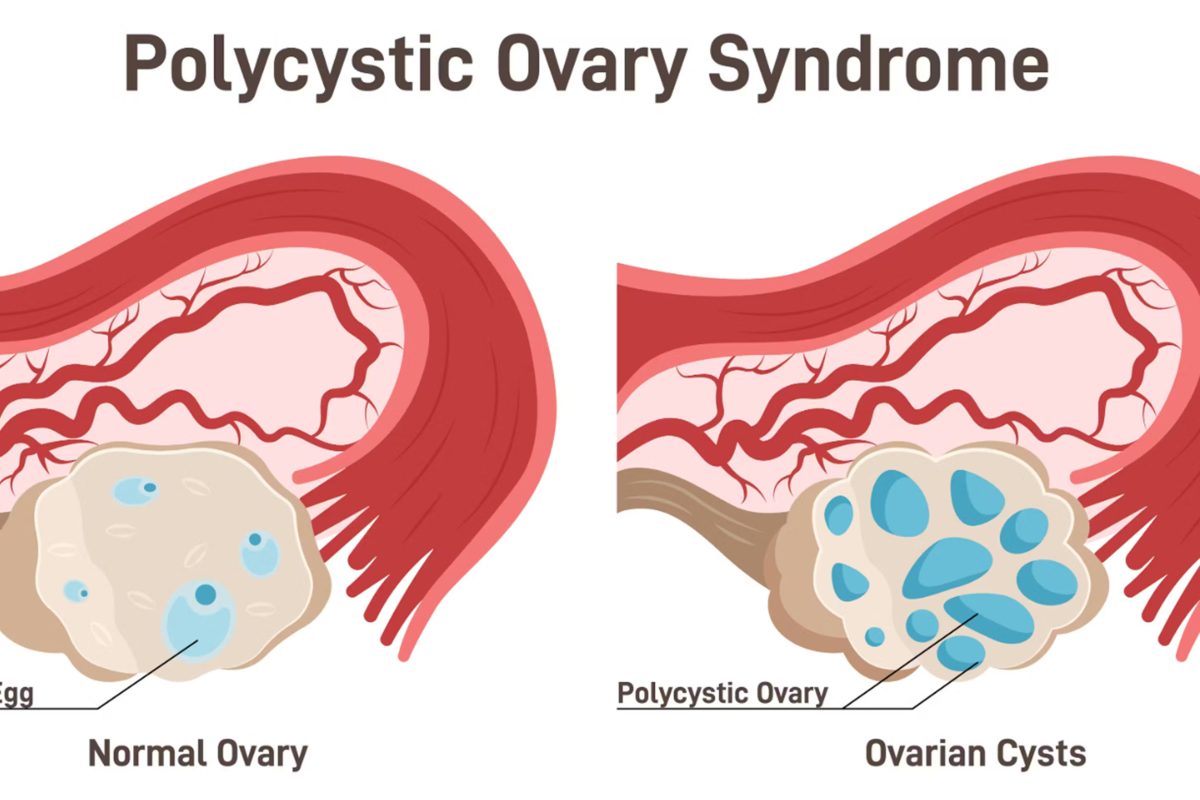
What Exactly is PCOS?
Polycystic Ovary Syndrome (PCOS) is one of the most common hormonal disorders that affects women of reproductive age. Simply put, it happens when your ovaries produce more androgens (male hormones) than they should, which throws off the balance of your reproductive system. This can make your periods irregular, cause you to gain weight unexpectedly, or even lead to fertility issues. But don’t worry—PCOS is not the end of the world, understanding PCOS help you have more advantage in managing your fertility journey, and there are ways to manage it! You’re not alone in this, as millions of women around the world are navigating their PCOS journey, and you can too.
You might be wondering: why does this happen? While the exact cause of PCOS is still a bit of a mystery, experts believe that genetics, insulin resistance, and inflammation play key roles. If your mom or sister has PCOS, there’s a higher chance you might develop it as well. It’s like getting the family recipe no one asked for. But instead of a cake recipe, it’s a hormone imbalance that can affect your health in different ways.
Recognizing the Symptoms of PCOS
The symptoms of PCOS can vary greatly from one person to another, which makes it a bit tricky to recognize. Some women experience just one or two symptoms, while others might deal with several. It’s like your body is playing a game of roulette—sometimes it’s light, and other times it’s full-on. The most common symptom is irregular periods, which can be annoying when you’re trying to track your cycle or plan a pregnancy. You might notice your periods come less frequently, or in some cases, you might go months without having one at all. This is because ovulation either stops or happens infrequently in women with PCOS.