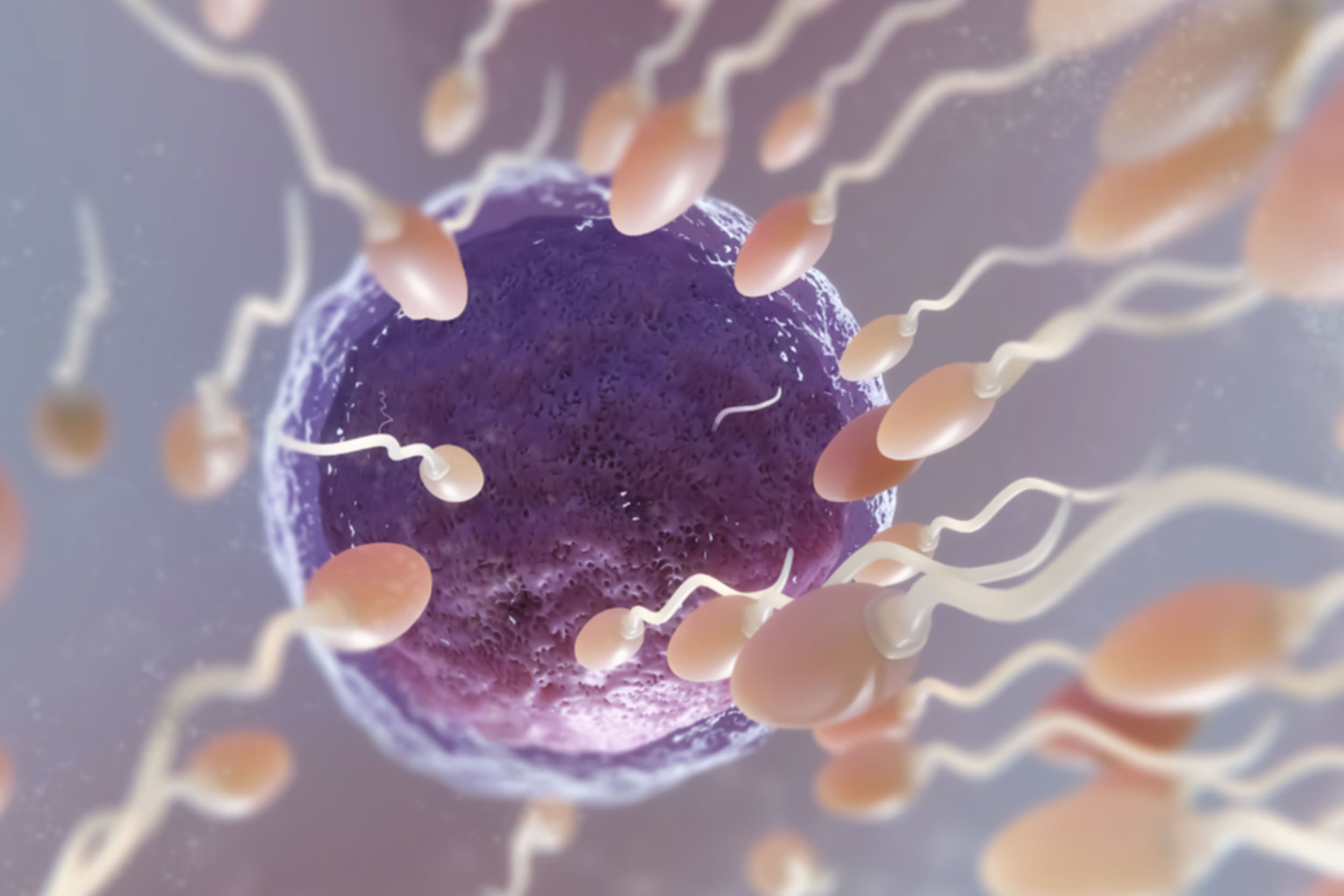

Understanding the Causes of Infertility and Lifestyle Tips to Improve Fertility



Infertility affects millions of couples worldwide and is increasingly common in Nigeria. If you have been trying to conceive for 12 months (or 6 months if over age 35) without success, it may be time to seek professional fertility evaluation.
Understanding the causes of infertility — and the lifestyle factors that influence reproductive health — is the first step toward achieving pregnancy.
What Is Infertility?
Infertility is defined as the inability to achieve pregnancy after regular, unprotected intercourse over a specified period. It can affect both women and men, and in many cases, the causes are treatable with proper medical care.
At Crystal Fertility Clinic in Lagos, we provide comprehensive fertility assessment and advanced treatment options tailored to individual needs.
Common Causes of Female Infertility
Several medical conditions can affect a woman’s ability to conceive:
1. Ovulation Disorders
Conditions such as Polycystic Ovary Syndrome (PCOS) or hormonal imbalance can prevent regular egg release.
2. Blocked Fallopian Tubes
Often caused by infections, pelvic inflammatory disease (PID), or previous surgeries, blocked tubes prevent sperm from meeting the egg.
3. Endometriosis
This condition causes tissue similar to the uterine lining to grow outside the uterus, affecting fertility.
4. Age-Related Fertility Decline
Female fertility naturally declines after age 35 due to reduced egg quantity and quality.
Common Causes of Male Infertility
Male factor infertility contributes to nearly 40–50% of infertility cases.
1. Low Sperm Count
Reduced sperm production decreases the chances of fertilization.
2. Poor Sperm Motility
Sperm may not swim effectively to reach the egg.
3. Abnormal Sperm Morphology
Irregular sperm shape can affect fertilization.
4. Hormonal or Medical Conditions
Infections, varicocele, or hormonal imbalance can impact sperm quality.